
The Most Overlooked Areas in Homes That Need Regular Cleaning
These hidden and frequently missed areas can collect more dust, grime, and buildup than you may realize.
Get an Estimate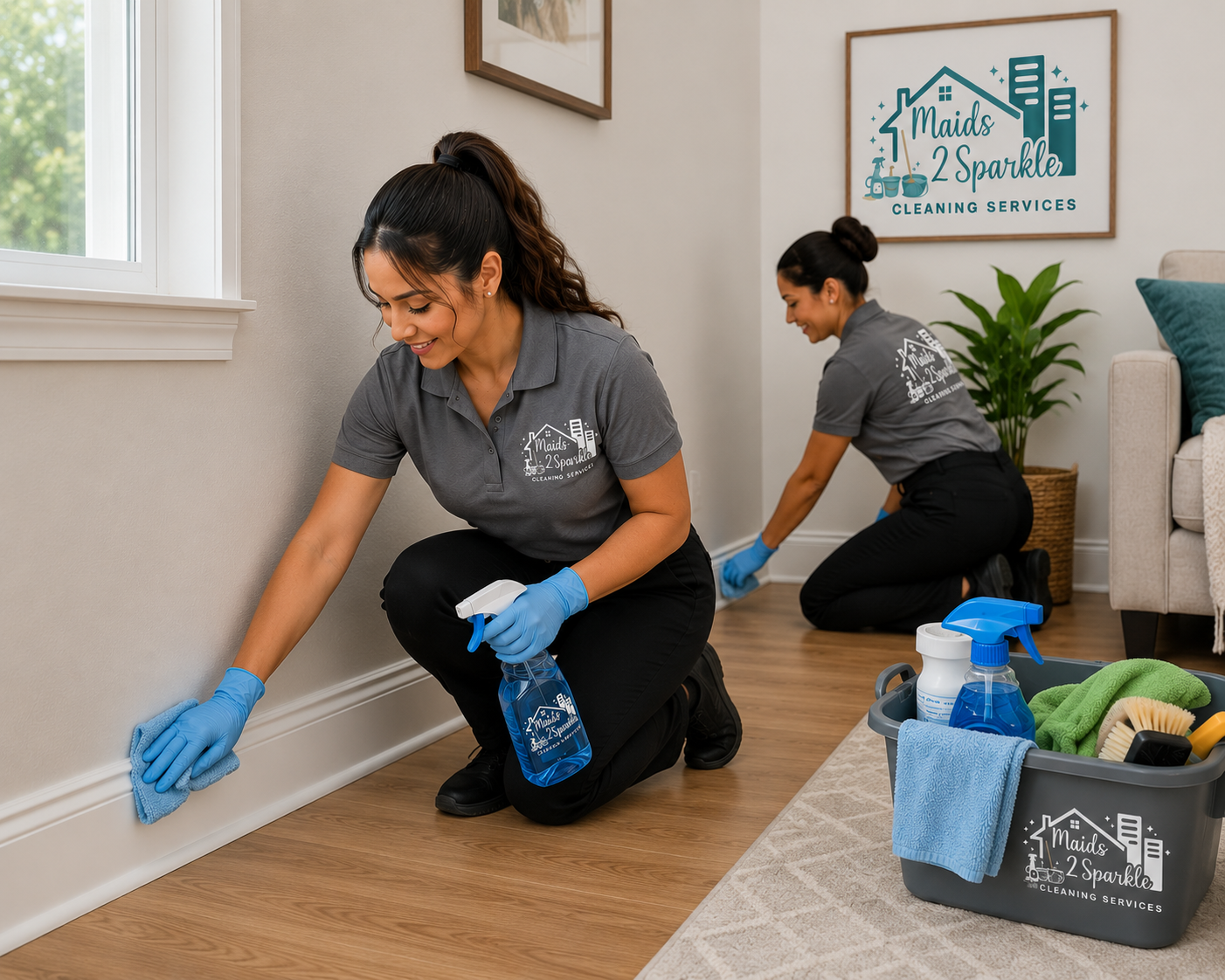
Most homeowners have a regular cleaning routine that includes vacuuming floors, wiping countertops, cleaning bathrooms, and taking out the trash. These tasks make a noticeable difference, but they do not cover every place where dust, grease, germs, and grime can collect.
Some of the dirtiest areas in a home are also the easiest to overlook. They may sit above eye level, hide behind furniture, or blend into the background because they are touched so often. Over time, these neglected spots can affect how fresh and comfortable the entire home feels.
A home can look clean at first glance while still holding dust and buildup in hidden areas. Regular attention to these overlooked spots helps maintain a more complete clean.
1. Baseboards
Baseboards collect dust, pet hair, scuff marks, and floor debris, especially in hallways, kitchens, living rooms, and other high-traffic areas. Because they sit low against the wall, they are easy to miss during routine cleaning.
Vacuuming with a brush attachment followed by wiping with a damp cloth can help restore their appearance. Kitchens and entryways may need more frequent attention because grease and outside dirt can make buildup more noticeable.
2. Ceiling Fans
Ceiling fan blades can collect thick layers of dust without being noticed from below. When the fan is turned on, some of that dust may move through the room and settle on furniture, floors, and bedding.
Turn the fan off completely before cleaning. A microfiber duster, pillowcase method, or slightly damp cloth can help capture dust instead of pushing it into the air.
3. Light Switches and Door Handles
Light switches, door handles, cabinet pulls, and appliance handles are touched repeatedly throughout the day. Even when the surrounding room looks clean, these high-touch areas may collect fingerprints, oils, and grime.
Light switches and switch plates
Interior and exterior door handles
Kitchen and bathroom cabinet pulls
Refrigerator, oven, microwave, and dishwasher handles
4. Air Vents and Return Grilles
Air vents and return grilles can collect dust around their edges and between the slats. When ignored, the buildup becomes more visible and may spread nearby dust around the room.
Use a vacuum attachment to remove loose debris, then wipe the surface carefully. Always follow the manufacturer’s instructions and avoid pushing moisture or debris into the HVAC system.
5. The Tops of Cabinets, Refrigerators, and Tall Furniture
Areas above eye level are commonly forgotten because they are not visible during everyday activities. The tops of kitchen cabinets, refrigerators, wardrobes, shelves, and tall furniture can collect dust and greasy residue over time.
Kitchen Cabinets
Dust can combine with cooking residue and become sticky or difficult to remove.
Refrigerator Top
This flat surface may collect dust, crumbs, packaging, and items that are rarely moved.
Tall Shelving
Decor, books, and upper shelves can hold dust that remains unnoticed for months.
Wardrobes and Armoires
Bedroom furniture may hold dust above eye level even when the rest of the room is maintained.
6. Under and Behind Large Appliances
Crumbs, dust, grease, pet hair, and small objects can collect under and behind refrigerators, ovens, washers, dryers, and other large appliances. These areas are difficult to reach and are often ignored during standard cleaning.
Appliances should only be moved when it can be done safely and according to the manufacturer’s instructions. If an appliance is connected to gas, water, or a fixed line, professional assistance may be necessary.
7. Window Tracks, Frames, and Sills
Many homeowners clean the glass but forget the tracks, frames, and sills. These areas collect dust, dead insects, pollen, moisture residue, and outside dirt.
Vacuum loose debris first, then use a small brush or cloth to clean corners and grooves. Regular cleaning helps keep windows looking more complete and prevents buildup from becoming harder to remove.
8. Blinds and Curtain Rods
Blinds can hold dust across every slat, while curtain rods and the tops of window treatments collect dust above eye level. These areas are easy to ignore because they blend into the room.
Close the blinds in one direction, wipe or dust each side, then reverse them and repeat. Follow care instructions for delicate materials.
Vacuum fabric gently with the correct attachment or wash according to the care label. Dust the rod, rings, and upper trim.
9. Lampshades and Light Fixtures
Lampshades, bulbs, light fixtures, and ceiling light covers can gather dust that changes how bright and fresh the room feels. Bugs and debris may also collect inside enclosed fixtures.
Turn off the power and allow bulbs to cool before cleaning. Use a dry or lightly damp cloth as appropriate, and avoid moisture around electrical components.
10. The Space Under Beds and Furniture
Dust, hair, pet fur, small objects, and forgotten items can collect beneath beds, sofas, dressers, and cabinets. These areas may be especially important in bedrooms and homes with pets.
Use a vacuum extension, flat duster, or furniture-moving tool when safe. Moving lighter furniture occasionally can help prevent thick buildup along walls and floor edges.
11. Upholstery and Decorative Pillows
Sofas, chairs, headboards, throw pillows, and cushions can collect dust, crumbs, hair, and everyday residue. Because the fabric may still look clean, these areas are often excluded from regular routines.
Vacuum Upholstery
Use the appropriate attachment to clean seats, backs, seams, and spaces beneath removable cushions.
Check Care Labels
Follow the manufacturer’s care instructions before spot cleaning, washing covers, or applying any product.
12. Trash Cans
Emptying the trash does not clean the container itself. Kitchen, bathroom, office, and bedroom trash cans may develop spills, odors, crumbs, and residue under the liner.
Wash or wipe the interior and exterior regularly, allow the container to dry fully, and replace the liner. Do not forget the lid, rim, pedal, and surrounding floor.
13. Cleaning Tools and Supplies
Cleaning tools can spread dirt when they are not maintained. Mops, sponges, brushes, vacuum filters, cloths, buckets, and dusters all need regular washing, replacement, or emptying.
Vacuum
Empty the bin or replace the bag and clean filters according to the manufacturer’s instructions.
Mop
Wash or replace reusable mop pads and allow mop heads to dry completely.
Cloths and Sponges
Wash reusable cloths after use and replace worn or heavily soiled sponges.
Brushes and Dusters
Remove trapped hair and debris so tools remain effective for the next cleaning.
14. Behind Toilets and Around the Base
The bowl and seat may receive regular attention, but the area behind the toilet, around the base, near the supply line, and along the nearby wall is often missed.
Dust, hair, moisture, and residue can collect in these narrow spaces. Use the appropriate bathroom cleaning products and tools while avoiding excessive moisture around flooring seams or fixtures.
15. Shower Tracks, Door Frames, and Curtain Liners
Shower doors, tracks, seals, curtain liners, and the upper edges of frames can hold soap residue, water spots, and moisture-related buildup. These details can make an otherwise clean bathroom look unfinished.
Drying wet surfaces, improving airflow, and cleaning these areas consistently can help prevent buildup from becoming difficult to manage.
16. Dishwasher and Washing Machine Seals
Appliances that clean other items still need cleaning themselves. Dishwasher edges, filters, and seals may collect food residue, while washing machine gaskets, detergent drawers, and lids may hold moisture and product buildup.
Follow the appliance manufacturer’s cleaning and maintenance instructions. Avoid combining cleaning products, and never use a method that is not approved for the machine.
17. Remote Controls, Keyboards, and Small Electronics
Remote controls, keyboards, phones, game controllers, and similar items are handled frequently but may not be included in a normal cleaning routine.
Power off electronics when appropriate and follow the manufacturer’s instructions. Use products that are suitable for electronics and avoid applying liquid directly to the device.
18. Closet Floors and Shelves
Closets can look organized while still holding dust, hair, lint, and forgotten items along the floor, corners, and upper shelves. Shoes may also bring outside dirt into the space.
Remove items section by section, wipe shelving, vacuum or mop the floor, and return only what belongs there. This is also a useful opportunity to declutter.
How Often Should These Overlooked Areas Be Cleaned?
The ideal schedule depends on the area, household size, pets, allergies, cooking habits, and how much traffic the home receives. High-touch surfaces may need attention more often, while spaces behind appliances or above cabinets may be handled monthly, seasonally, or during a deep cleaning.
High-Touch Areas
Light switches, handles, frequently used electronics, trash can lids, and heavily used bathroom details.
Dust and Detail Areas
Baseboards, blinds, vents, lampshades, upholstery, closet floors, and window tracks.
Hard-to-Reach Areas
Behind appliances, above cabinets, tall furniture, curtain rods, and other difficult-access spaces.
Why These Areas Matter
Overlooked areas may not be the first things visitors notice, but they contribute to the overall condition of the home. Dust from ceiling fans or vents can settle on freshly cleaned surfaces. Grime around handles and switches can make clean rooms feel less polished. Hidden crumbs and residue can also create odors or attract unwanted pests.
Including these details in a regular or rotating cleaning schedule helps create a more complete result without requiring every area to be cleaned every day.
A Simple Rotating Detail-Cleaning Plan
Week 1: Baseboards, switches, handles, and doors
Week 2: Blinds, window tracks, and light fixtures
Week 3: Upholstery, under furniture, and closet floors
Week 4: Appliances, vents, trash cans, and cleaning tools
When Professional Deep Cleaning Can Help
It can be difficult to keep up with everyday cleaning while also reaching every hidden corner and detailed area. Professional deep cleaning can help when neglected spots have accumulated significant dust or grime, when you are preparing for guests, or when your home needs a complete reset.
A professional cleaning service can also help create a cleaner starting point before weekly, biweekly, or monthly maintenance begins.
Give the Overlooked Areas the Attention They Need
Maids 2 Sparkle helps homeowners care for the visible surfaces and the easy-to-miss details that make a home feel completely clean.
Whether you need recurring maintenance or a more detailed deep cleaning, professional help can make it easier to keep your home fresh, comfortable, and ready to enjoy.
Get an Estimate TodayFAQs
What is the most commonly overlooked area when cleaning a home?
Baseboards, ceiling fans, vents, light switches, door handles, window tracks, and areas under furniture are among the most commonly missed places.
How often should baseboards be cleaned?
The right frequency depends on the household, but many homes benefit from monthly or seasonal baseboard cleaning. Homes with pets or heavy foot traffic may need it more often.
How do I clean areas under heavy furniture?
Use a vacuum extension or flat duster when possible. Only move furniture when it can be done safely, and ask for help with heavy or unstable pieces.
Do professional cleaners clean overlooked areas?
It depends on the service selected. Standard cleaning usually focuses on routine areas, while deep cleaning or add-on services may include more detailed and hard-to-reach spots.
What should I clean weekly versus monthly?
High-touch surfaces and frequently used rooms may need weekly cleaning. Baseboards, blinds, vents, upholstery, window tracks, and other detailed areas may be placed on a monthly rotation.
Is deep cleaning necessary if I clean regularly?
Regular cleaning helps maintain the home, but an occasional deep clean can address hidden buildup and areas that are not included in the usual routine.