The Hidden Health Risks of an Unclean Home: Why Professional House Cleaning Matters
Quick Answer: However, an unkempt home is more than just an eyesore—it is a danger to your well-being. These elements accumulate in parts of the home that cannot be accessed conveniently, causing allergies, asthmatic reactions, skin irritations, and sometimes, even food contamination. Professional house cleaning will go beyond the usual weekend cleanup in ensuring that the hard-to-reach areas like vents, grouts, furniture, and appliances will receive the cleaning treatment that they require.
Introduction
We all view house cleaning simply as something to do to keep our homes looking good — cleaning the surfaces, the floors, etc., in preparation for having visitors, for example. However, house cleaning goes beyond just keeping things looking clean; it is also essential to our well-being since every surface in the home plays host to a range of invisible creatures like dust mites, bacteria, molds, and allergens.
In this guide, we will look at the health issues associated with an unclean environment and how house cleaning helps solve these issues.
What Health Risks Does an Unclean Home Actually Pose?
An unclean home becomes a low-grade health hazard over time. Here are the most common risks that build up when cleaning is inconsistent.
Respiratory Problems From Dust and Allergens
Carpets, furniture, and mattresses contain dust mites and animal dander, which, in weeks of neglect, accumulate to such amounts that may lead to asthmatic attacks and allergic reactions, especially in children and elderly people.
Bacterial Growth in Kitchens and Bathrooms
Cutting boards, kitchen drains, kitchen sponges, and faucet handles have E. coli and Salmonella when not regularly disinfected. Moisture from bathrooms creates a perfect breeding ground for bacteria that spread on tiles and grouts.
Mold and Mildew in Damp, Overlooked Areas
Mold does not need leaks or water to grow, just moisture and a surface. It is commonly found in things like exhaust fans, cabinets under sinks, and windowsills. Exposure to mold can cause respiratory irritation, headaches, and skin reactions.
Pest Infestations Linked to Clutter
Food particles attract rodents, cockroaches, and ants. They are not only uncomfortable but also have different bacteria and allergens on their bodies, which can contaminate the kitchen and pantry area.
Poor Indoor Air Quality
Various dust particles, animal hair, mold spores, and chemical traces negatively affect indoor air quality. The fact is, people spend most of their time indoors, so this factor is especially influential for their respiratory system.
Why Does Regular Home Cleaning Matter So Much?
It is consistency that distinguishes a healthy home from a clean one. There might be just one deep cleaning, but all those risks will come back soon enough as dust, bacteria, and moisture build up once again.
Frequent home cleaning ensures the following:
Lower allergens to avoid triggering asthma attacks
Prevent bacterial growth before spreading to food sources.
Detect moisture accumulation before the growth of mold.
Eliminate traces attracting pests.
Improving the air quality indoors for the entire family
The problem here is that people get too busy to maintain a cleaning schedule, and the last thing they will clean is the hard-to-access place.
How Does Professional House Cleaning Solve This Problem?
DIY cleaning is helpful but only for surfaces you touch every day. Professional house cleaning is more thorough because it looks at where the dangers are hidden.
Trained Attention to Hidden Trouble Spots
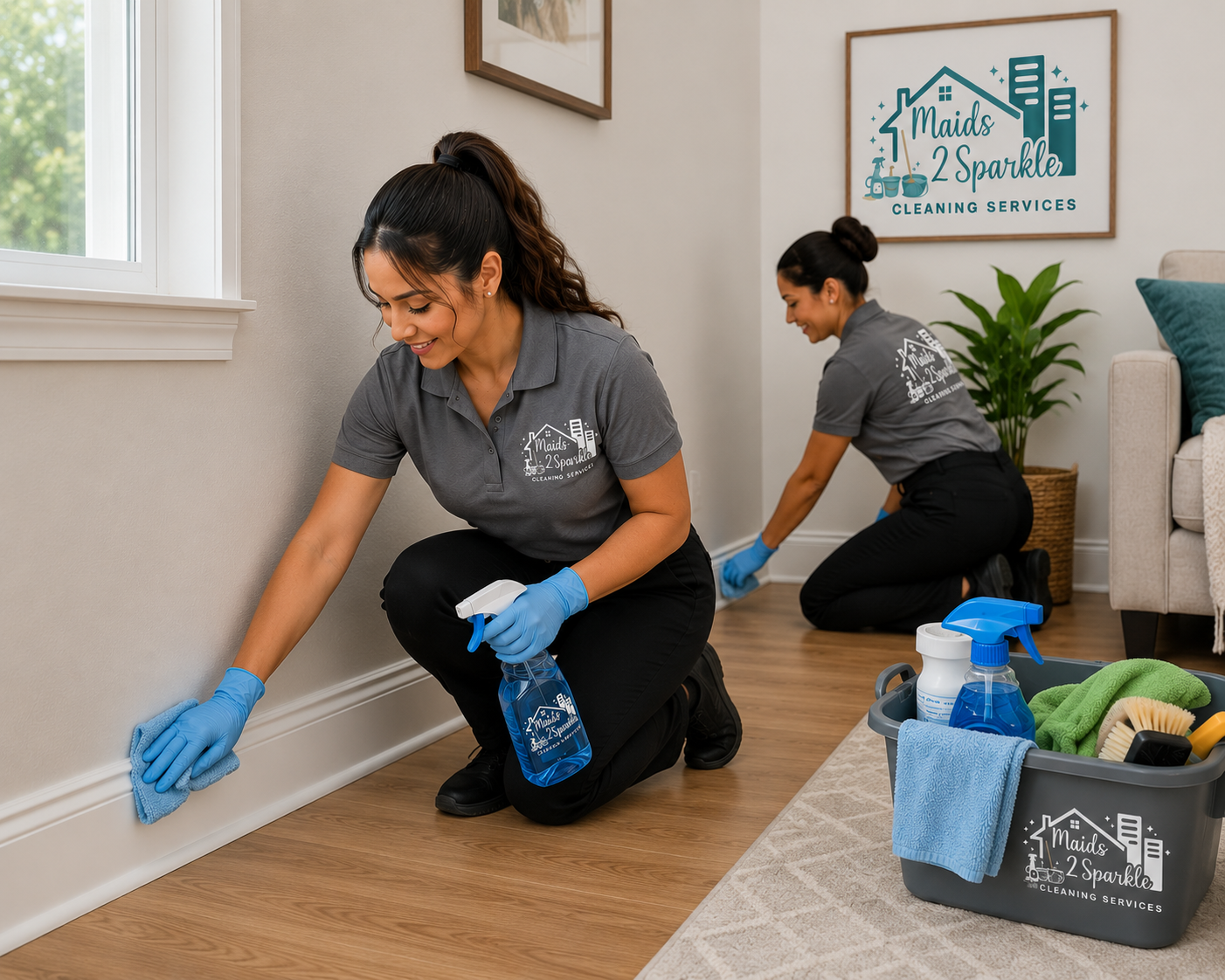
Professional cleaners take care of areas that homeowners neglect—spaces behind furniture, inside electrical devices, along baseboards, and near vents, where dust, grease, and mold collect.
Proper Disinfection, Not Just Surface Wiping
Regular cleaning service ensures that your home gets cleaned on a regular basis without any accumulation of dirt and moisture in spaces.
Consistent Scheduling Removes the Guesswork
From HEPA filter vacuum cleaners to steam cleaners used for upholstery and grout, professionals have access to equipment that is not available at home.
Specialized Equipment for Deeper Results
If you are finding it difficult to keep up with cleaning your home, then Maids 2 Sparkle provides professional house cleaning services focusing on areas of concern.
How Often Should You Schedule House Cleaning for a Healthy Home?
Frequency will depend on family size, pets, allergies and lifestyle, but a couple of tips are helpful:
Weekly cleaning works well for most people, preventing dust and clutter from accumulating between the major cleanings.
Biweekly cleaning can suit small families or individuals.
Monthly deep cleaning should be done by everyone, as it takes care of appliance interiors, vents and grouts.
Frequent cleaning is required by households with pets, children, or people with allergies.
Conclusion
Just because a home looks appealing does not necessarily mean it is safe. Dust mites in the carpeting, bacteria on countertops, mold in damp areas, and pests attracted by unnoticed food particles tend to accumulate in the nooks and crannies of our homes, where even regular cleaning is not able to reach.
If you prefer to let the experts do the job and keep your home and family healthy, Maids 2 Sparkle will assist you in developing the right cleaning routine.
Frequently Asked Questions
Why is house cleaning important for health, not just appearance?
Cleaning your home removes dust, bacteria, allergens and moisture before they reach levels that can cause breathing problems or infections. These hazards can be lurking in carpets, vents and other places even in the cleanest-looking homes.
What areas of a home are most likely to hide health risks?
The kitchen, bathroom, HVAC vents, furniture, and carpets are the usual sources of these threats, as moisture, food residues, and lack of airflow make ideal places for bacteria, mold, and dust mites to thrive.
How often should I clean my home to avoid health problems?
For most families, weekly light cleaning combined with monthly deep cleaning of appliances, vents, and grouts is sufficient. Homes with pets or allergy sufferers may require more thorough cleaning.
What is the difference between regular home cleaning and professional house cleaning?
Regular home cleaning usually involves just the visible surfaces, whereas professional house cleaning goes much deeper into disinfection of the ignored surfaces.
How does mold growth relate to cleaning frequency?
Mold needs moisture and residues that form in places where moist spots are not cleaned and dried in time. Regular cleaning prevents the accumulation of moisture before the mold forms.